All Categories
Featured
Companies are discovering to browse these complexities by adopting multi-market techniques, ensuring compliance with diverse guidelines, and utilizing innovation to improve visibility across their worldwide operations. Financial innovation is playing a critical function in updating trade circulations. Traditional trade finance models, often slowed by paperwork and intermediaries, are being changed by digital platforms that simplify deals and enhance openness.
Navigating Uncertainty: A Blueprint for UK Mid-Market Resilience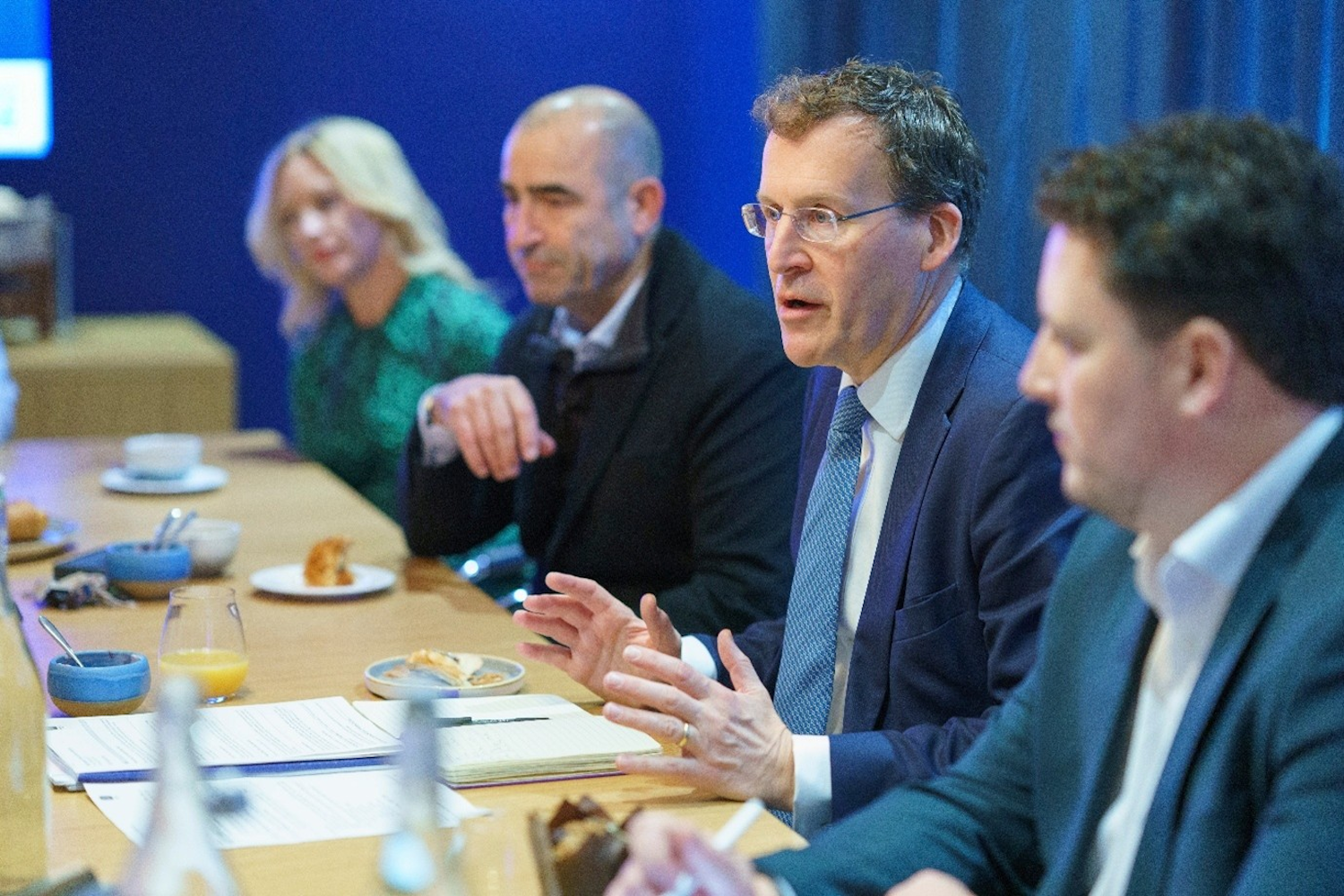
Blockchain-based wise agreements and digital currencies are streamlining cross-border payments, decreasing deal costs, and mitigating threats associated with exchange rate changes. Reserve Bank Digital Currencies (CBDCs) are expected to acquire larger adoption by 2026, using a protected and effective method to settle worldwide transactions without depending solely on conventional banking systems.
Consumer choices are likewise affecting trade patterns. Buyers are becoming more conscious of where products come from, how they are made, and whether they align with social and environmental values. This shift has provided rise to ethical trade, where transparency, reasonable labor practices, and sustainability are essential to purchasing choices.
Strengthening Ethical Supply Networks for Success
Certification programs and traceability technologies are helping business confirm their supply chains, making sure compliance with worldwide labor and ecological requirements. As customers continue to require credibility and accountability, ethical trade will end up being a defining attribute of successful worldwide brand names. The world of worldwide trade is entering a transformative stage where strength, innovation, and sustainability take center phase.

Latest Posts
Why British Mid-Market Executives Prioritise Sustainable Transformation Models
Navigating the UK Enterprise Growth in 2026
Analysing UK Trade Reports for Market Growth